Analyzing Vacation Rental Yields & Zoning Laws in SoCal
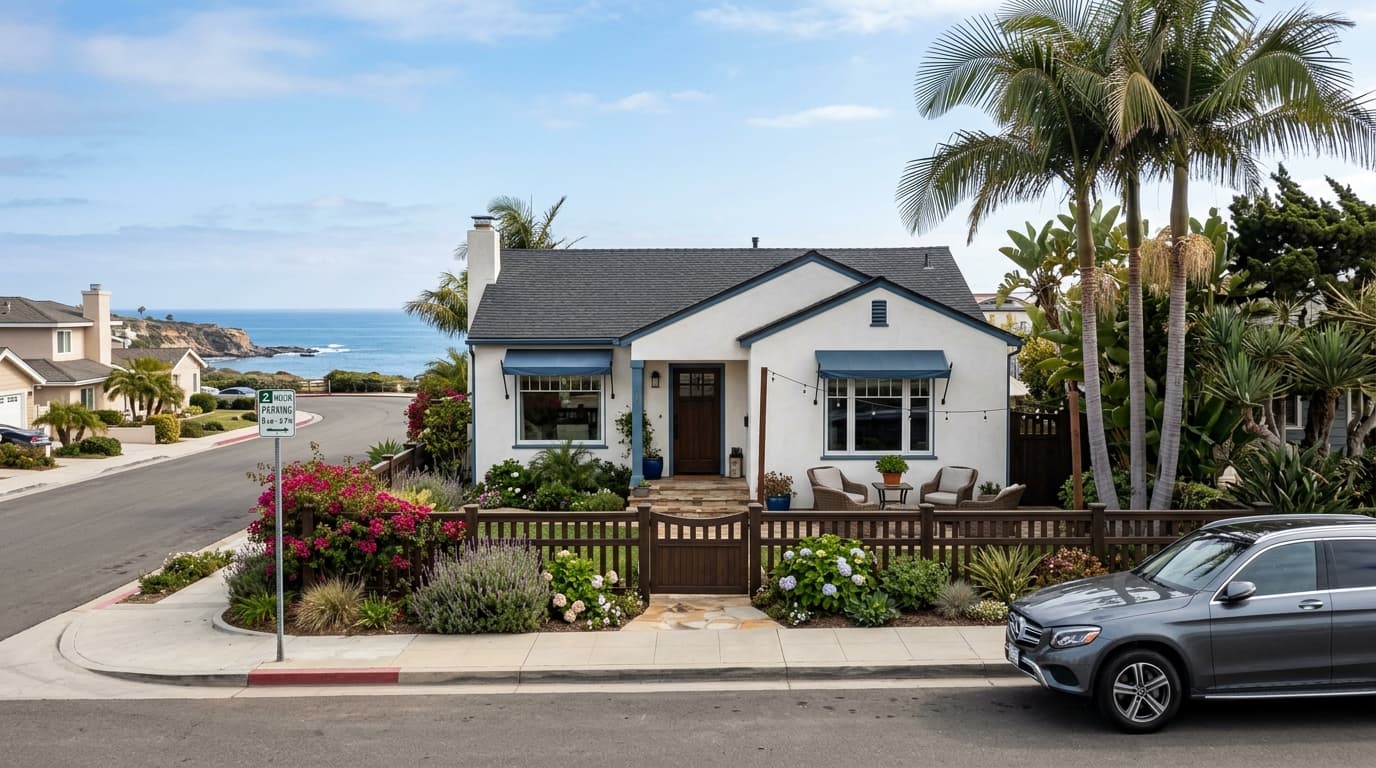
Learn how short-term rental zoning differs across Orange County cities, how to model occupancy and cap rates, and why you must verify municipal code before buying an Airbnb property.
A vacation rental can look like an easy win on a spreadsheet, but in Southern California the legal rules often matter more than the nightly rate. Before you fall for projected income, you need to know whether the property can legally operate at all. This guide covers Airbnb investment rules in Orange County and the short term rental zoning SoCal investors should research.
Start With the Ordinance, Not the Listing
Short-term rental regulation is set city by city, and it changes. In general terms, Irvine has been known for prohibiting most short-term rentals, while Anaheim and Huntington Beach have used permit and zone-based approaches, and coastal areas can add Coastal Commission considerations. Those are broad summaries only. Cities amend ordinances, enforcement priorities shift, and rules can differ by zone, building type, and homeowners association.
Before making an offer, verify the following directly with the city:
- Whether short-term rentals are permitted at the specific address.
- Whether a permit is required, whether permits are capped, and whether they transfer to a new owner.
- Transient occupancy tax registration and remittance requirements.
- Limits on nights, occupancy, parking, noise, and trash.
- HOA and CC&R restrictions, which can ban rentals even where the city allows them.
Always read the current municipal code yourself or ask the city planning department. An attorney can confirm how the rules apply to your property.
Modeling Occupancy and Revenue
Revenue is nightly rate multiplied by occupied nights. Here is an illustrative example, not a forecast: a home at $300 per night with 65% occupancy earns about $71,175 per year ($300 x 0.65 x 365).
Do not stop at gross revenue. Subtract:
- Cleaning, supplies, and linens
- Platform and management fees
- Utilities, internet, and insurance
- Furnishing replacement and repairs
- Taxes and permit costs
- A vacancy buffer for slow seasons
If those costs consume about 40% in this example, net operating income is about $42,705. On a $900,000 purchase, that is a cap rate of roughly 4.7% before financing. Compare that with a conventional long-term rental on the same property, which typically has lower income but fewer moving parts.
Seasonality and Regulatory Risk
Beach-adjacent markets tend to be seasonal, so model a strong summer, a soft winter, and a slow month for repairs. Then run a worst case: what if the permit is not renewed or the city tightens enforcement? If the deal only works as a short-term rental, you are carrying regulatory risk. A resilient deal still makes sense as a long-term rental or owner-occupied home.
Financing a Short-Term Rental
Lenders may treat short-term rental income differently from standard lease income, and many require documented history before counting it. Investor loans often carry higher rates and larger down payments than owner-occupied loans. Because we are both a broker and a mortgage loan originator, we can review the purchase price, the financing, and the qualifying income together before you commit.
Cost Items Investors Often Forget
New owners frequently overlook furniture refreshes, deep cleans between guests, permit renewals, and higher insurance for rental use. Ask your insurance agent whether a standard homeowner policy covers short-term rental activity, because many do not. Add a reserve for guest-related damage and unexpected repairs. A model that includes these items will look less exciting, but it is far more likely to match reality.
Decide With Verified Facts
A smart STR purchase rests on three verified items: legal permission, conservative numbers, and a fallback plan. If you are weighing a property or comparing cities, schedule an Investment Advisory Call with us. We will help you build the model, identify the questions to ask the city, and decide whether the numbers justify the risk.
This article is for educational purposes only and is not legal, tax, or financial advice. Rates, programs, and rules change; verify current details before acting.
Troy Huynh, Broker DRE #01889229 | NMLS #344740, Global Estate Hub LLC
- #Airbnb investment rules Orange County
- #short term rental zoning SoCal
- #vacation rental yields
- #STR cap rate
- #occupancy modeling
- #coastal zone
- #short-term rental ordinance
Educational content only. This is not legal, tax, or financial advice and is not an offer or commitment to lend. All loans are subject to credit and underwriting approval. Equal Housing Opportunity.
Have a question about your own move or financing? Troy will follow up personally.
Investment Advisory CallCompare loan options