Utilizing Home Equity for ADU Construction or a Secondary Property Purchase
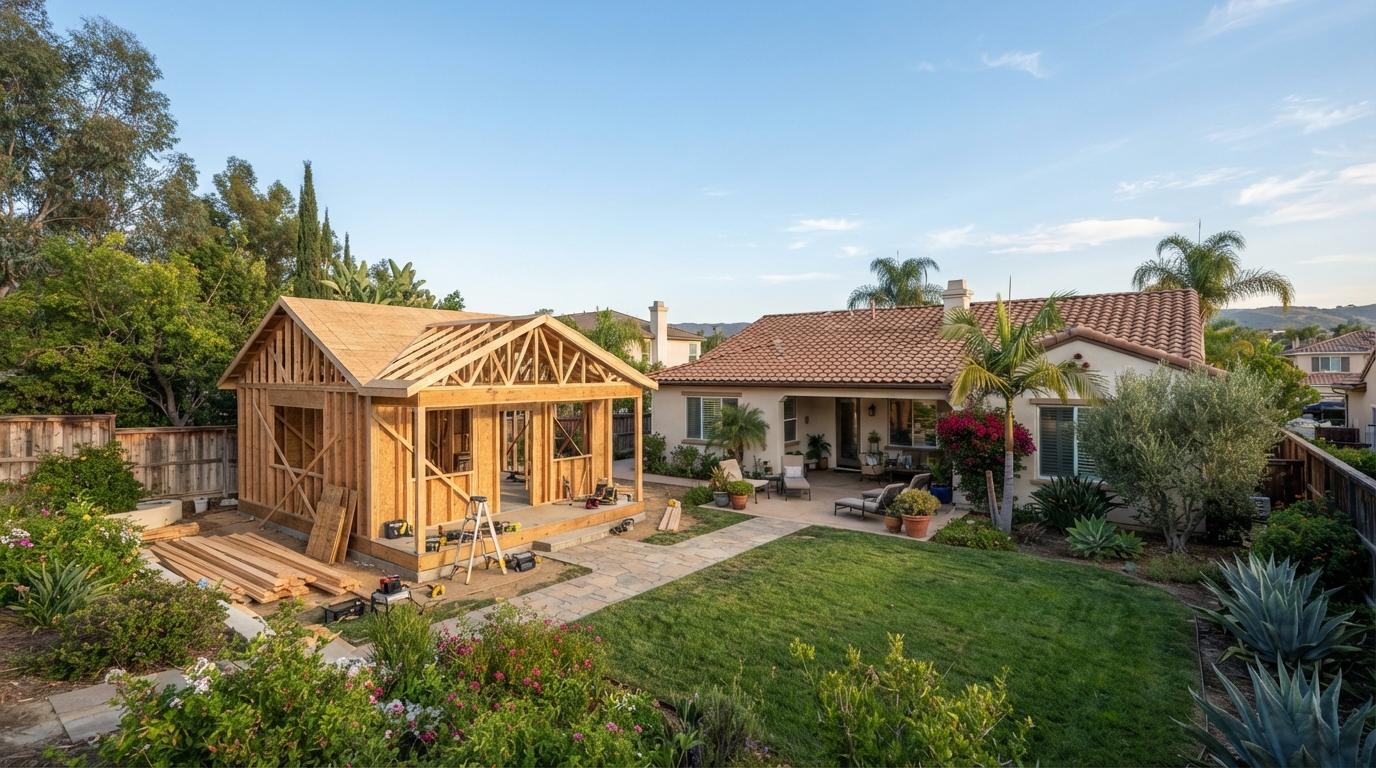
Compare a cash-out refinance with a HELOC for building an ADU or buying a second property, including loan-to-value limits, illustrative cash flow, and how to protect your liquidity.
For many Orange County homeowners, the biggest asset sits in the walls they live in. Tapping that equity to build a rental unit or buy a second property can create income, but it also adds debt and risk. This guide compares a cash-out refinance for ADU construction with other equity options, so you can choose a structure that supports cash flow without straining your finances.
Three Ways to Access Equity
- Cash-out refinance. You replace your existing mortgage with a new, larger one and receive the difference in cash. Lenders commonly limit this to about 80% of your home's value on a primary residence, though limits vary by program.
- HELOC (home equity line of credit). A revolving line secured by your home, usually with a variable rate. You borrow as needed and typically pay interest-only during the draw period.
- Home equity loan. A fixed second mortgage with a lump sum and set payments.
Each choice has tradeoffs, especially on rate, flexibility, and closing costs.
The Loan-to-Value Math
Here is an illustrative example, not a quote. Say a home is worth $1,000,000 and the current mortgage balance is $450,000.
- At an 80% maximum loan-to-value, the largest total loan is $800,000.
- Subtract the existing balance: $800,000 minus $450,000 leaves up to about $350,000 of potential cash before costs.
- Closing costs and any required reserves reduce the net amount.
- Most owners should borrow less than the maximum, keeping a cushion.
Appraised value, credit, income, and program rules all determine actual eligibility, and we never guarantee approval or terms.
Cash-Out Refinance vs. HELOC for an ADU
A key difference is what happens to the rest of your loan. A cash-out refinance resets your whole mortgage at the current rate. If your existing rate is low, that is a real cost; the new rate applies to your entire balance, not only the new cash. A HELOC or second loan leaves your first mortgage untouched, but the HELOC rate is typically variable and can rise.
A simple way to compare is to model both at your actual numbers, including:
- The blended cost of money across the first mortgage and the new debt
- Closing costs, which usually run higher on a full refinance
- How long you plan to keep the property
- Your tolerance for payment changes
What an ADU May Earn
An accessory dwelling unit can generate rental income, and local rents for a well-designed unit may reach $2,500 or more per month. Treat that as a possible outcome, not a promise. Build a conservative model:
- Subtract property taxes, insurance, maintenance, and vacancy
- Include the added loan payment from your chosen financing
- Budget for permits, utility connections, and construction contingencies
- Confirm that city rules allow the unit and that you can rent it as planned
Qualifying income from a future ADU depends on lender guidelines and documentation, so ask early rather than assume.
Buying a Secondary Property Instead
Equity can also fund the down payment on an investment property. Lenders generally apply stricter terms to non-owner-occupied loans, with larger down payments and higher rates than for a primary home. Calculate cash flow after all costs, and talk with a CPA about the tax implications.
Protect Your Liquidity
The goal is to add income without becoming house-rich and cash-poor. Before you borrow:
- Keep several months of expenses in reserves
- Stress-test your budget if a rate rises or the unit sits vacant for a few months
- Get at least two contractor bids and a written scope of work
- Do not fund the entire project with your last available dollar of equity
Next Steps
Because Troy is both a broker and a mortgage loan originator, we can compare the structures against your real income, equity, and goals. Request a Full Pre-Approval Analysis to see which option fits and what it would cost.
This article is for educational purposes only and is not legal, tax, or financial advice. Rates, programs, and rules change; verify current details before acting.
Troy Huynh, Broker DRE #01889229 | NMLS #344740, Global Estate Hub LLC
- #cash out refinance for ADU construction
- #home equity loan investment property CA
- #HELOC vs cash-out refinance
- #accessory dwelling unit
- #home equity
- #rental cash flow
- #loan-to-value
Educational content only. This is not legal, tax, or financial advice and is not an offer or commitment to lend. All loans are subject to credit and underwriting approval. Equal Housing Opportunity.
Have a question about your own move or financing? Troy will follow up personally.
Full Pre-Approval AnalysisCompare loan options